
Home
Executive LeadershipJob OpeningsContact & DirectionsIn the News


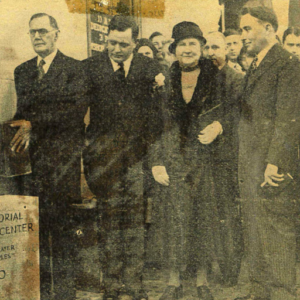
1929: The Beginning
Methodist philanthropist Lizzie Glide purchased a parcel of land
at the intersection of Ellis and Taylor Streets in San Francisco.
Construction of Glide Memorial United Methodist Church was
completed two years later.

back to top

1960s: Death and Rebirth
In 1963, winds of change were blowing mightily through San
Francisco. Nowhere were these forces of transformation more
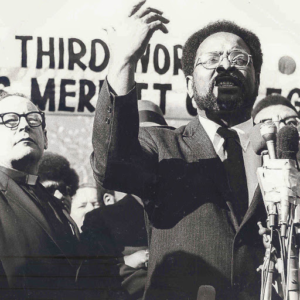
visible than at Glide Memorial Church. That year, a young
African-American minister named Cecil Williams came to Glide
determined to bring life back into the dying congregation. Cecil
changed both the policies and practices of the conservative
church, helping to create the Council on Religion and
Homosexuality in 1964. In 1967, Cecil ordered the cross removed
from the sanctuary, exhorting the congregation instead to
celebrate life and living.

"We must all be the cross," he explained. As the conservative
members of the original congregation left, they were replaced
by San Francisco's diverse communities of hippies, addicts,
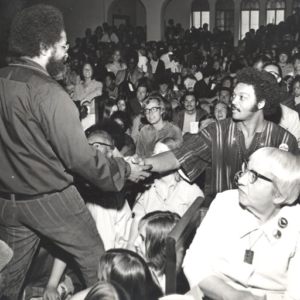
gays, the poor, and the marginalized. By 1968, the energetic,
jazz-filled Celebrations were packed with people from all classes,
hues, and lifestyles. That year, San Francisco State University
erupted in protests over demands for ethnic studies and
affirmative action. Cecil and the Glide community helped lead the
demonstrations; the church became a home for political, as well
as spiritual, change. Glide offered a safe space to groups ranging
from the Hookers Convention to the American Indian Movement
and the Black Panthers. In the midst of their political work, Glide
never forgot the basic needs of the community. The meals
program was launched in the 1960s, serving one free dinner
a week to all comers. As a decade of clamoring change came to a
close, Glide further added to the joyful noise: The world-renowned
Glide Ensemble choir held its first rehearsals in 1969. And Janice
Mirikitani, a noted poet and dancer, had also just been appointed
Coordinator for Glide's programs. The church would never be
the same again.

back to top

1970s: Revolution
As the Vietnam War continued to escalate in the early 1970s,
Glide quickly became known as the counter-culture rallying
point in San Francisco. Everyone from Bill Cosby to Bill Graham
to Angela Davis came to Glide to speak out and join in the
Celebrations. KMEL and K101 radio began broadcasting Glide's
Sunday message throughout the Bay Area. Glide's importance
as a meeting grounds for all people was underlined in 1974,
when Randolph Hearst turned to Glide to help secure the release
of his daughter Patty from the Symbonese Liberation Army. Time
and time again, the Bay Area came to look to Glide for moral
guidance and spiritual sustenance. When gay activist and City
Supervisor Harvey Milk was murdered by fellow Supervisor
Dan White in 1978, Cecil and the Glide community opened their
doors to the city, comforting and healing those who were
frightened, grieving, and potentially violent.

back to top

1980s: Troubled Times
Guided by Janice's leadership and Cecil's steady vision of
supporting the disenfranchised, Glide programs increased
in size and scope. The flagship Free Meals Program kicked
into overdrive in 1980, feeding the hungry and homeless
three times a day. From protesting the Lawrence Livermore
Laboratory's development of nuclear weapons to leading the
Northern California Martin Luther King, Jr. Federal Observance
Committee, Glide walked the talk. In the mid 1980s, crack
cocaine swept through the Tenderloin. African-American
communities were especially hard hit. Glide listened to the
addicts and began slowly piecing together a path towards
recovery. The Generations program held its first graduation
ceremony in 1987, but the good news was tempered by the rise
of another devastating crisis: AIDS. Again Glide placed itself in the
heart of the epidemic, raising AIDS awareness and creating the
Glide-Goodlett HIV/AIDS prevention, education, and counseling
program in 1989.

back to top

1990s: Building the Village
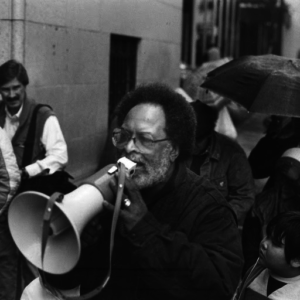
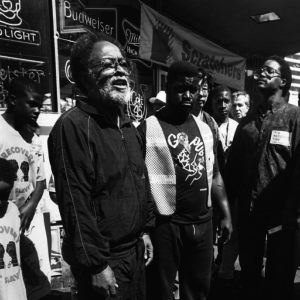
Not content to let addicts find their way to Glide, Cecil took the
Facts on Crack into the housing projects. In 1990, over a thousand
activists and community members accompanied Cecil into San
Francisco's Valencia Gardens. The group massed below the
windows of the crime-infested housing project, with Cecil using a
bullhorn to call addicts and dealers out to recovery. In 1993, Cecil
celebrated 30 years at Glide with Bobby McFerrin, Robin Williams,
Maya Angelou, and a host of other well-wishers at packed Masonic
Auditorium. Janice celebrated her 30 years at Glide in 1995, with
Dr. Maya Angelou and Brenda Wong Aoki at the San Francisco
Hilton's Ballroom. Funds raised from both benefits helped build
Glide's village. The church's fame was growing, with international
leaders such as President Clinton and stars like Sharon Stone and
Oprah Winfrey coming to Celebrations and commending Glide as
a model of compassionate community action. In 1997 Glide opened
its Health Clinic. Staffed by volunteer and paid nurse practitioners,
doctors, psychiatrists, and UCSF graduate nursing students, the
free clinic offered advice and healing to those accustomed to being
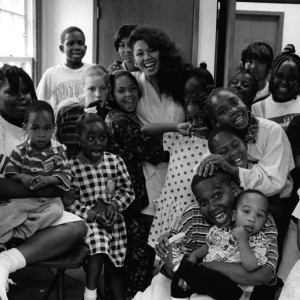
turned away from other treatment facilities. Two new buildings
---the Cecil Williams GLIDE Community House and the Janice
Mirikitani GLIDE Family, Youth, and Childcare Center---were
opened in 1999 to fill the growing need for housing and childcare.

back to top

2000s: Our Time is Now
Glide entered the 21st century with a surplus of vision,
enthusiasm, and hope. In one of the first major acts of 2000,
Reverend Douglass Fitch was appointed pastor of Glide Church.
Cecil expanded his duties to become Glide's CEO and Minister of
National and International Ministries. Janice continued on as Executive
Director and President, restructuring the church to meet the ever-
evolving needs of the community. In the spring of 2000, Janice was
named the Poet Laureate of San Francisco. A summer visit from the
General Secretaries of the Methodist Church brought accolades for
Cecil's empowering vision and Janice's work in building the Glide
mission. This breakthrough meeting created a new path in Glide's
relationship to other Methodist churches as a national and
international model. But there is still so much for Glide to do.
Poverty, drug abuse, violence, and despair persist in San Francisco
as they do across the country. By working to combat these
problems, Glide serves as an oasis in a desert of hopelessness,
marching to the edge where victories for social justice are won.
Glide is a place where old, destructive ways of being are thrown
out and new ones created. Where names are named and love is
celebrated and a simple call goes out to all races, classes, genders,
ages, and sexual orientations: It's recovery time. It's time to love
unconditionally.

back to top